

Should I measure Max Pulse after training?
For comparable trend, usually not immediately after hard training. A calmer, repeatable state is more useful.
Max Pulse is most useful when measured calmly and repeatably. HRV and stress-related outputs can change with sleep, training, caffeine, illness, emotional stress and time of day. That is why one isolated result should be read as context, not as a diagnosis.
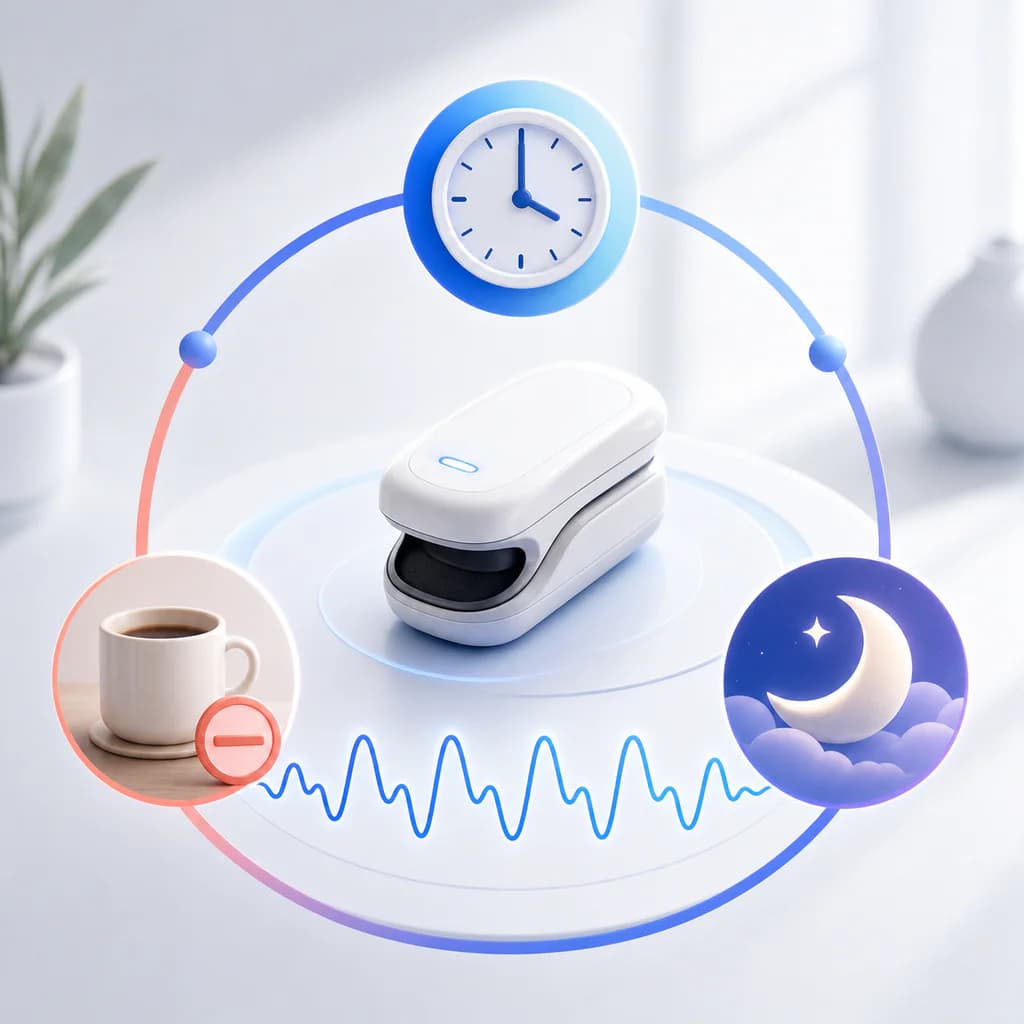
Max Pulse can be useful when you want a supporting view of HRV, autonomic regulation, pulse wave and stress context. It is especially helpful when repeated under similar conditions.
It can add context next to InBody, blood pressure, sleep, training and how you actually feel.
It is less useful if you expect one score to explain all fatigue, stress or recovery issues by itself.
Sleep, recent training, caffeine, alcohol, illness, dehydration, emotional stress, pain, breathing and time of day can all affect HRV-related outputs.
A rushed measurement after activity can look different from a calm measurement after rest.
For trend, use similar timing and a similar pre-test routine.
Max Pulse can show regulatory and stress context, but it does not diagnose burnout, arrhythmia or cardiovascular disease.
If there are warning symptoms such as chest pain, shortness of breath, fainting, repeated strong palpitations or known arrhythmia concerns, the next step is medical evaluation.
For everyday tracking, read the result next to sleep, training, blood pressure, InBody and your real routine.
Avoid arriving straight from hard exercise or a rushed, stressful activity when your aim is a resting comparison. Settle quietly, keep your hand still and comfortably warm, do not talk and breathe naturally. Deliberate slow or deep breathing can change variability and makes a routine comparison harder to interpret.
Record poor sleep, illness, pain, recent training, caffeine, nicotine and alcohol. A measurement after a bad night may be useful as a snapshot of that state, but it should not be treated as your settled long-term baseline.
A follow-up after a demanding period, a training change or a return to regular sleep can be more useful than comparing arbitrary daily scores. Look for a return towards your own usual pattern and read the result alongside pulse, pressure, sleep and daily function.
Low variability or a higher device stress score does not diagnose overtraining or burnout. Unusually high resting pulse, deterioration after illness, known arrhythmia concerns or warning symptoms require healthcare follow-up. Max Pulse is a pulse-derived resting measurement and does not replace an ECG or cardiology examination.
About the measurement
The main page about HRV, vascular signal, stress and autonomic balance.
FAQ
For comparable trend, usually not immediately after hard training. A calmer, repeatable state is more useful.
Yes. Sleep, stress, illness, alcohol, caffeine and training load can all affect HRV-related outputs.
No. It can show regulatory and stress context, but diagnosis needs broader professional assessment when symptoms are significant.
MaxPulse is most useful as a calm, repeatable PPG measurement. Follow its PRV and composite scores within the same device beside sleep, blood pressure and routine, not as a stress diagnosis.